There is a gap between what robots do in a lab and what they do on a real shift. Closing it is the whole job.
There is a gap between what robots can do in a lab and what they do in a real facility. It is not a small gap. It is the reason most automation projects stall between the demo and the second shift — the pallet that sits 40 mm off centre, the aisle a stretch-wrapper blocks, the dock that floods with sunlight at 4 p.m.
Dallas Roboter exists to close it. We build Physical AI that runs the full loop — perceive, decide, act, learn — inside buildings that were not designed for robots, on shifts that do not pause for a software update.
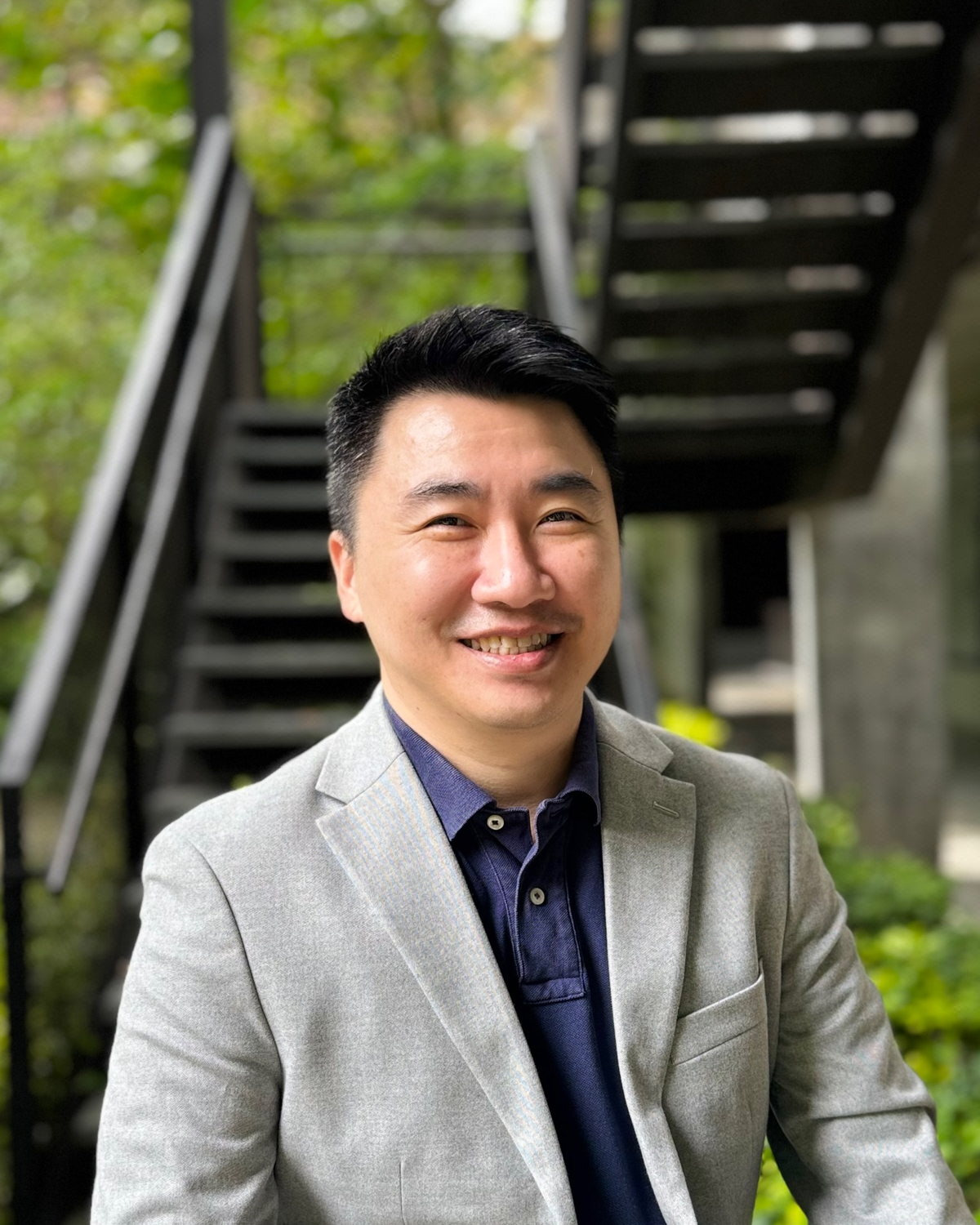
Liang Kien Yew spent 25 years inside three of the world's largest robotics companies before starting Dallas Roboter.
At ABB he was a key account director when industrial robots were still new to Asia. At KUKA he ran Asia Pacific — eight subsidiaries, full P&L — and learned to scale robotics across markets with different regulations and expectations. At Quicktron, one of the four largest AMR companies in China, he built the US, EU, AUS, and SEA operations from zero, during the supply chain disruption of COVID.
Five US patents. Referenceable Fortune 500 deployments. After 25 years the question was not whether he could build a robotics company — it was what kind of company to build.
ABB · KUKA · Quicktron
Most AMR companies sit where the supply chain sits. That makes manufacturing sense and creates a service problem for US buyers: time zones, tariffs, supply chain security, and a growing preference for US-based suppliers.
We chose a different structure. US-based leadership and 24/7 support, with access to Asian supply chains. Not the simplest structure — the most practical one for the floor we serve.
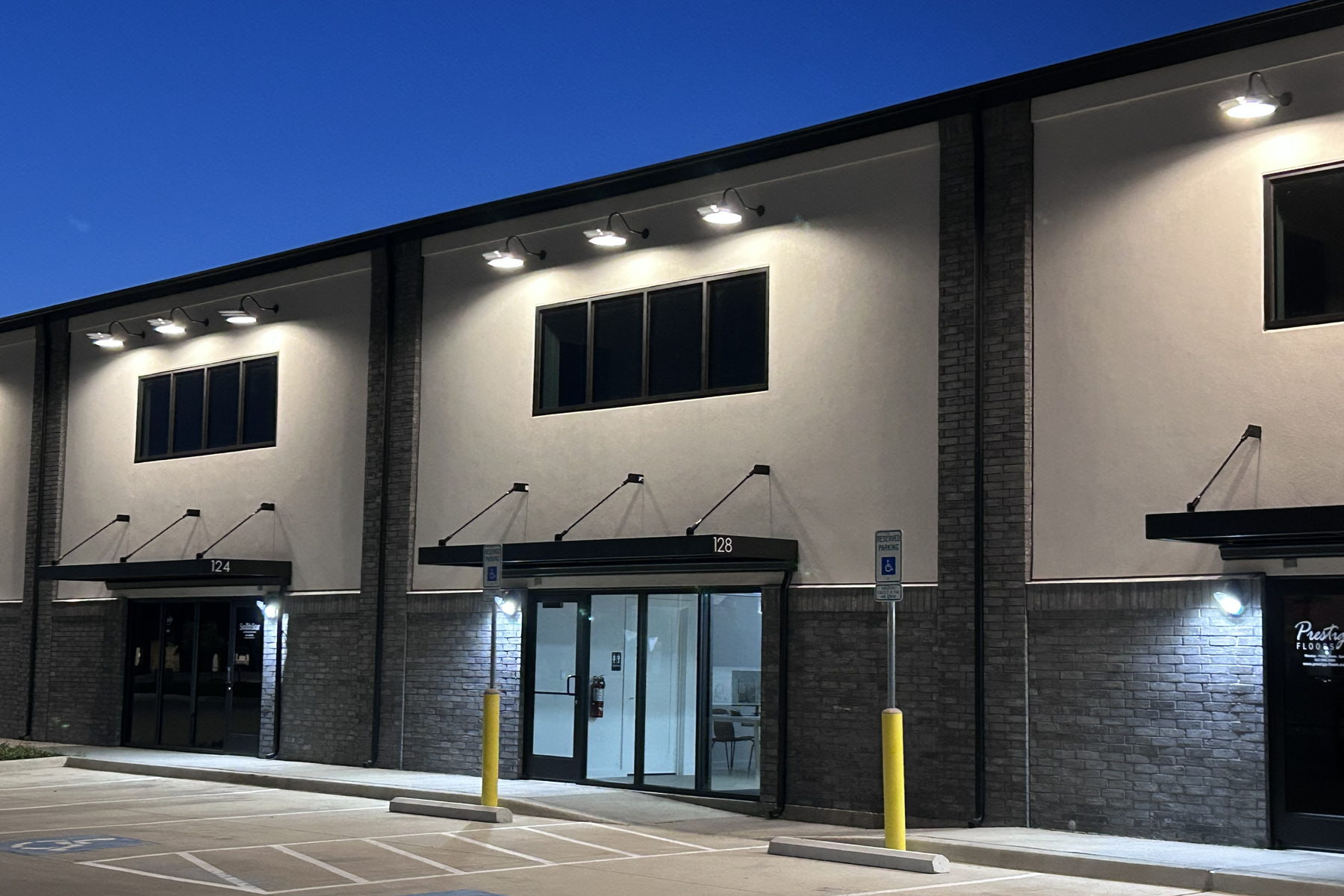
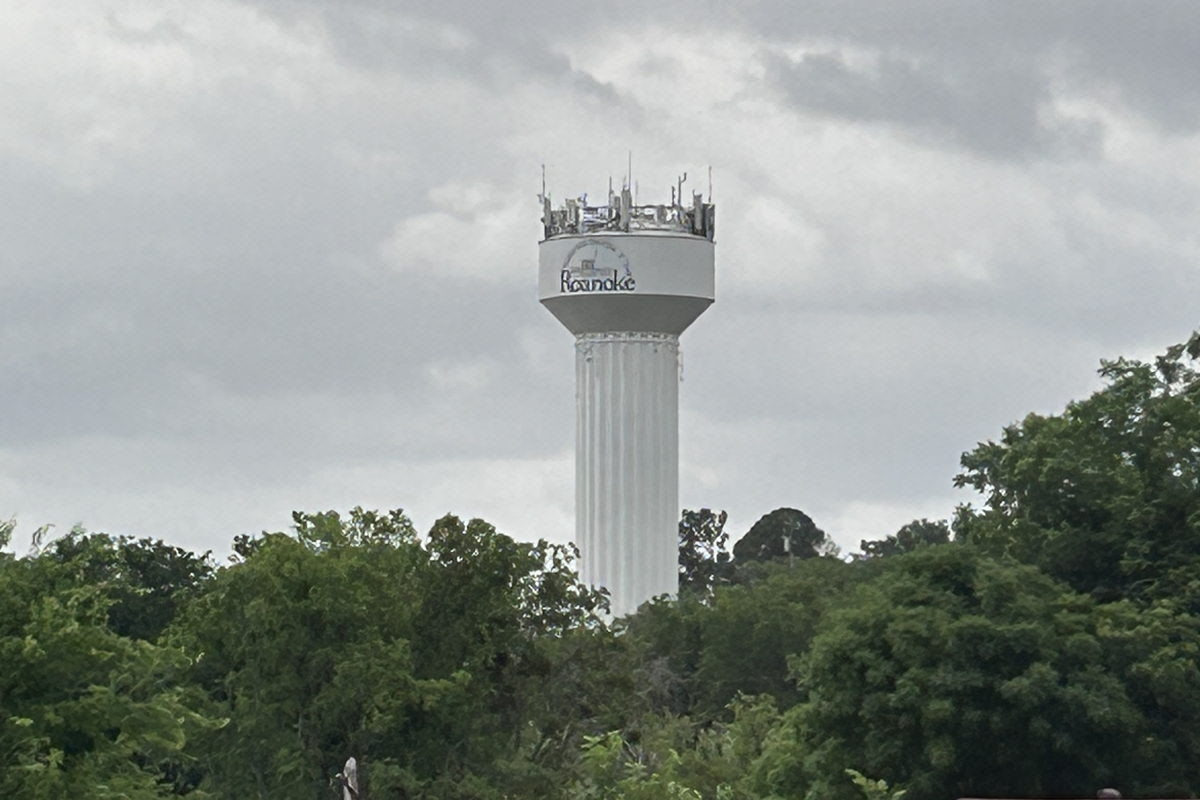
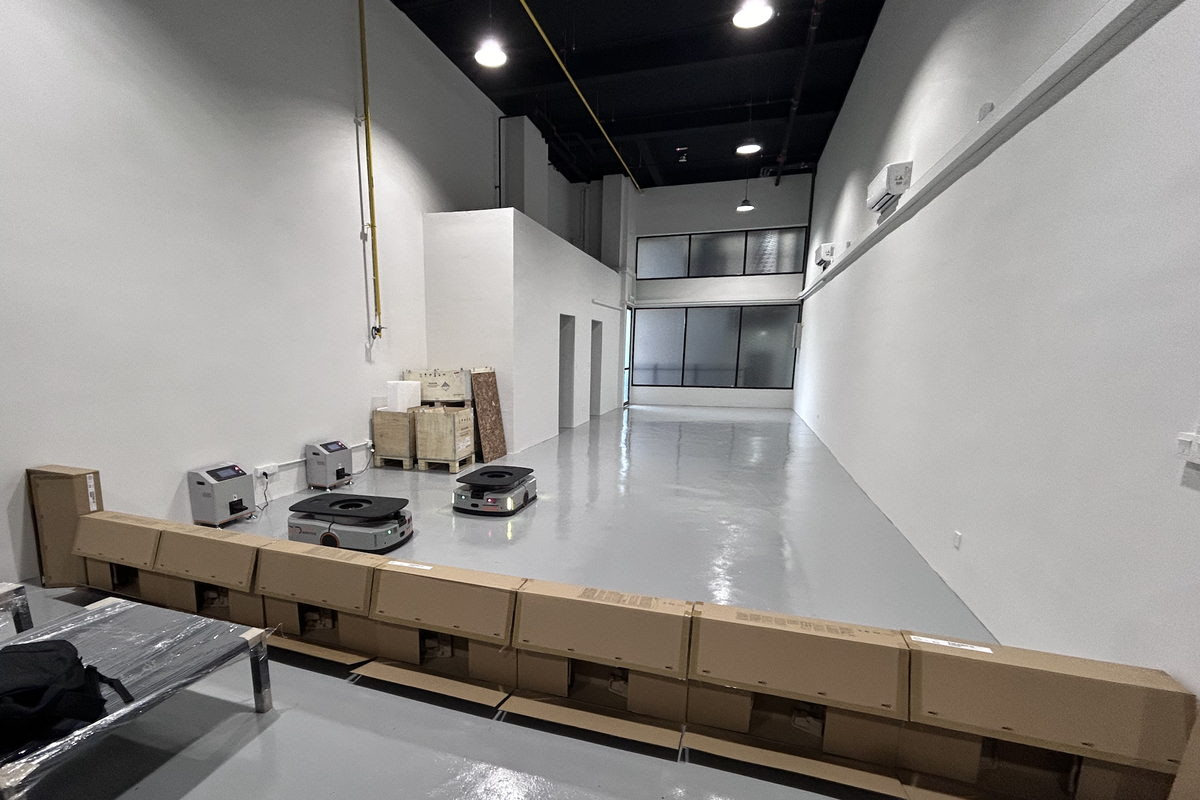
This is what they look like. The office in Roanoke, the town it sits in, and the technology centre in Malaysia — the three rooms where a deployment is planned, built up, and handed over. The fourth line is a sales territory, not a building.
Most automation requires the building to change before the robot can work. We think that is backwards. The robot should learn the building — and make reconfiguration a mapping exercise, not a construction project.
Eight models, one navigation stack, one safety system, one Fleet Manager. Training is portable, spares are cross-compatible, and improvement is global rather than per-product.
Fleet Manager is included. No per-robot licensing, no recurring SaaS. The robot is the product; the software makes it work better.
UL 3100 and EN 3691-4 compliant — UL 3100 on the US model, EN 3691-4 on the EU model. Not an upgrade. Not a premium option.
If the robot is not the right fit for your floor, we say so. It costs us some deals. It also means customers trust the recommendation when we make one.
24/7 from DFW, Texas. VPN remote troubleshooting. Regional service network. Cross-compatible spare parts across all eight models.
We will walk it, find the binding constraint, and tell you honestly whether a robot closes the loop — and what it would take.
askme@dallasroboter.com · DFW, Texas · Engineering: Cyberjaya, Malaysia